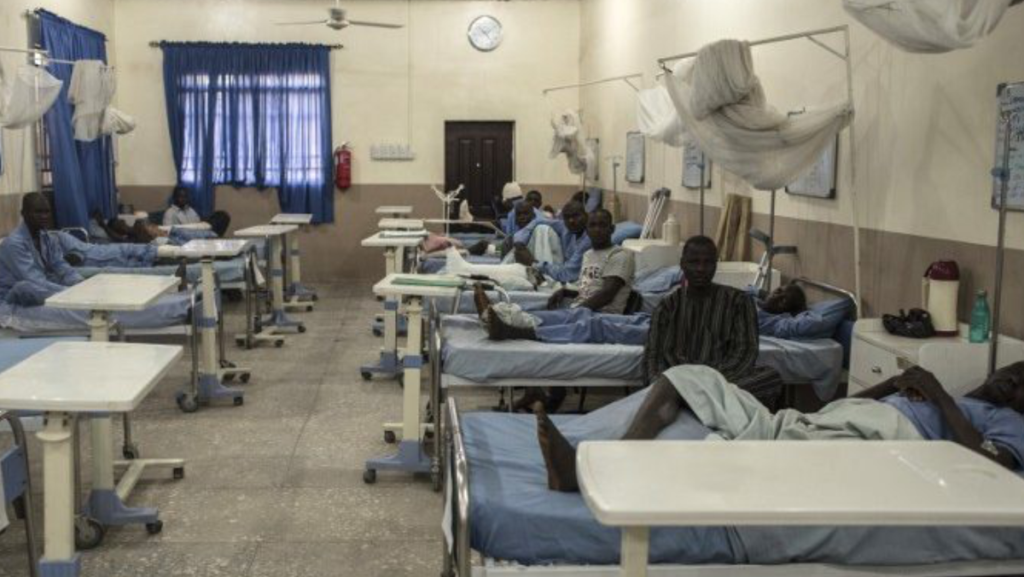
Nigeria’s health sector is in dire straits, with preventable deaths occurring daily and emergency wards often resembling slaughter slabs.
Chronic underfunding remains a major culprit; the 2025 national budget allocated only 4.33% of federal expenditure to health, far below the African Union’s 15% target and the World Health Organization’s 13% benchmark.
This sharp neglect has left hospitals overstretched, under-equipped, and understaffed, while health workers struggle under immense pressure.
While government failure is undeniable, citizens must also take personal responsibility for their health. Conscious living begins with everyday choices—what we eat, drink, and how we live. A sedentary lifestyle, excessive alcohol consumption, and reliance on unsafe street foods all contribute to poor health outcomes.
Nigerians must cultivate habits of moderation: rest adequately, exercise routinely, and drink responsibly. Vigilance is equally critical—always check expiry dates on canned foods, medications, and processed consumables to avoid poisoning or reduced efficacy.
The crisis underscores the need for a dual approach. On one hand, government must prioritize human capital development by increasing funding, rebuilding primary healthcare networks, retaining skilled workers, and integrating digital tools and health insurance reforms. On the other hand, individuals must embrace preventive health practices to reduce dependence on a failing system.
Commendably, some state governments have shown commitment to healthcare, but facilities remain overstretched due to population growth. This is why NGOs, donor agencies, religious institutions, corporate organizations, and philanthropists must step in to support healthcare delivery.
Ultimately, a healthy population determines a nation’s productivity. Nigeria must learn to place premium value on the sanctity of life. Citizens should pray never to fall sick in this part of the world—but beyond prayer, both government and individuals must act decisively to reverse the tide of needless deaths and restore confidence in public healthcare.
More importantly, governments at all levels must demonstrate responsibility, responsiveness, and proactivity by prioritizing healthcare spending, rebuilding primary healthcare networks, and investing in the health workforce. Equally vital are the integration of digital tools, reforms in health insurance, and strict enforcement of accountability.
In addition, engaging experts such as Dr. John Mabayoje, a U.S.-based Nigerian physician, to explore innovative solutions like telephone triage could help bridge critical healthcare gaps and expand access to timely medical support.

As Nigeria enters another election season, healthcare must become a serious campaign issue. Politicians across party lines must convince the citizenry of their plans to revive the health sector, reduce preventable deaths, and improve life expectancy. Anything less is a betrayal of the nation’s future.
About the Author
Emmanuel Ajibulu is an infopreneur, writer, communication consultant, and social media influencer. He serves as the Editor-in-Chief and Publisher of Veracity Desk (veracitydesk.com), a general-purpose online news platform. In addition to his editorial work, he provides expertise in strategic communications, digital engagement, and thought leadership. Emmanuel is passionate about shaping narratives that drive social impact and corporate excellence. He can be reached via veracitydesk@gmail.com or emmanuelajibulu@gmail.com