For too long, political appointments in our democracy have been treated as entitlements rather than responsibilities. Representation has been confused with reward, and participation has been separated from consequence. This imbalance has weakened accountability, discouraged voter engagement, and undermined public trust in governance.
It is time to correct that mistake.
Representation is a constitutional obligation. Every state and every local government must have a place at the table. That principle is not up for debate. But representation does not automatically translate into control of the most strategic ministries or influence over critical national decisions. In a democracy, effort must matter.
When states or local governments disengage from the electoral process when they fail to mobilize voters, invest in political organization, or take ownership of the democratic moment yet later receive the most powerful positions in government, the message is clear and damaging: participation is optional, but reward is guaranteed. That message must end.
Governance should reflect performance. Those who deliver electoral results, who do the hard work of mobilization, persuasion, and turnout, should have a stronger voice in shaping the administration that follows. This is not punishment; it is accountability. It is how serious systems function.
A performance-based approach to appointments will restore discipline to our politics. Jurisdictions that deliver the strongest electoral outcomes should enjoy priority consideration in the allocation of strategic ministries provided their nominees meet clearly defined standards of competence and integrity. Merit must remain non-negotiable. Numbers alone do not appoint leaders; qualified people do.
Critics may argue that this approach risks exclusion. The opposite is true. It strengthens inclusion by tying it to responsibility. Every state and local government retains representation, but influence is earned through engagement. This model encourages voter participation, strengthens party structures at the grassroots, and aligns political rewards with democratic effort.
Equally important is rejecting the dangerous myth that some parts of the country lack capable human resources. Talent exists everywhere. What has been lacking is the political will to recognize, develop, and deploy it fairly. We must stop using “capacity” as an excuse for imbalance and inefficiency.
Democracy thrives when citizens believe their participation matters. A system that rewards effort, discipline, and results sends a powerful message: your vote counts not only on election day, but in how the country is governed afterward.
The era of automatic rewards is over. Equity must be earned, merit must be enforced, and performance must matter. That is how we rebuild trust and that is how democracy works.
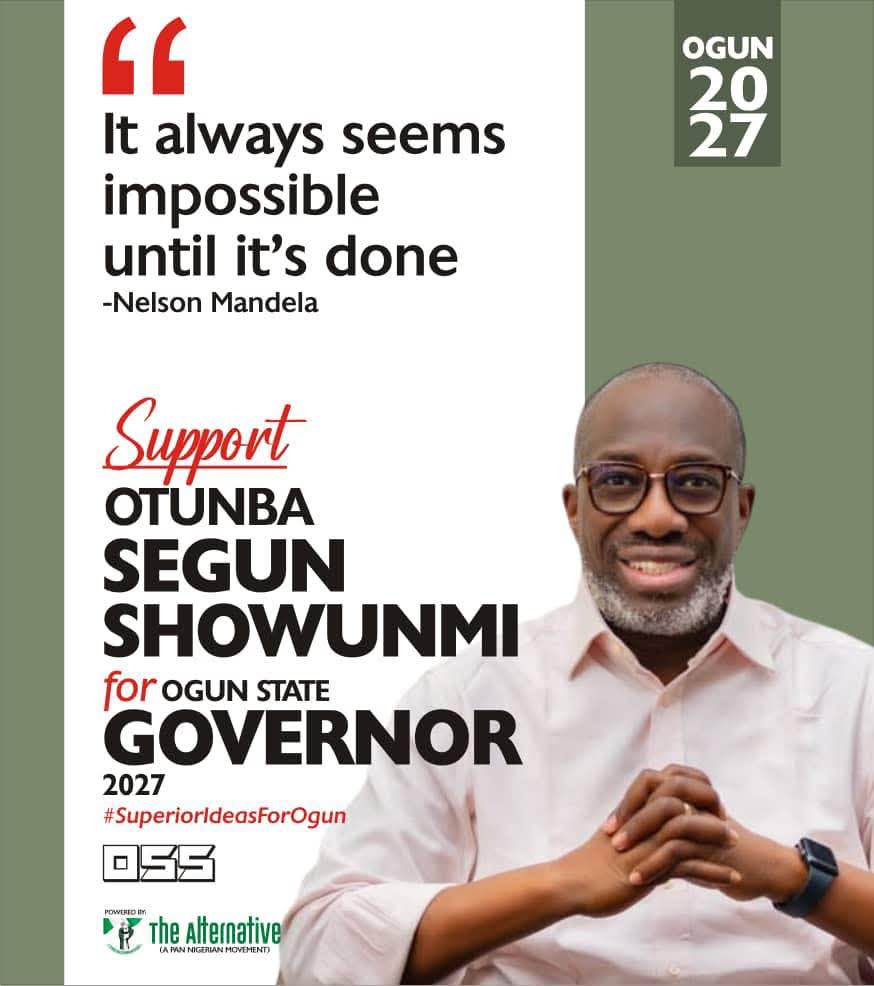
Otunba Segun Showunmi
The Alternative.